
7 min read
The best way to learn is by doing
There is no shortage of AI courses and guides, but they expire fast. Why being self-taught went from unusual to essential, and what five months at the gym taught me.
Ideas on AI, Gen Z and the future of work.
There is no shortage of AI courses and guides, but they expire fast. Why being self-taught went from unusual to essential, and what five months at the gym taught me.

Six years, six jobs, five companies. Why Generation Z job-hops more, puts mental health first, and thinks differently about work.

Two transformations usually handled separately are actually connected. How HR can approach Generation Z and Artificial Intelligence without them clashing.

Following the marked path was for decades the safest option. The data says it no longer is. And it has never been cheaper or easier to try something different.
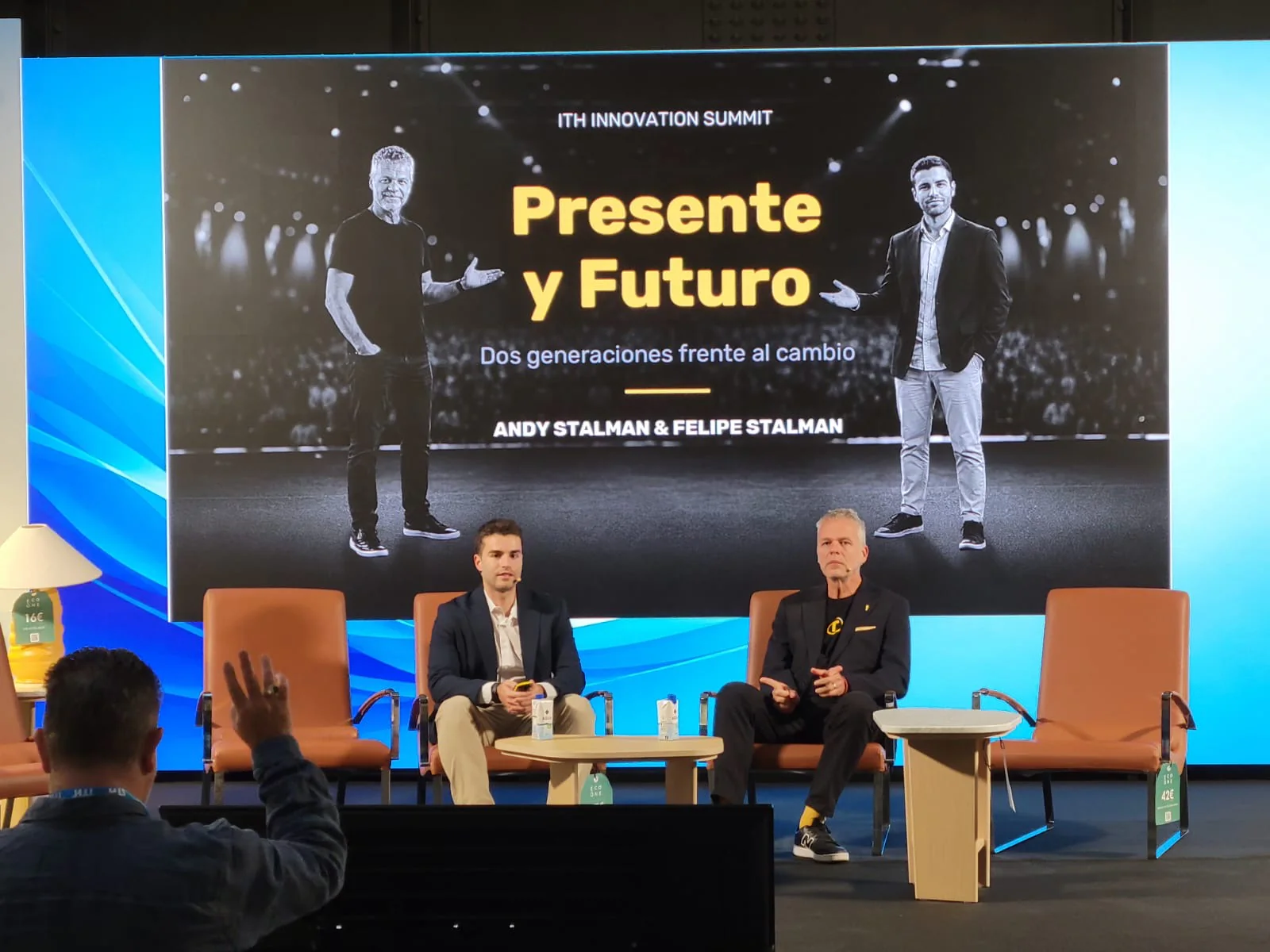
I took part in the ITH Innovation Summit 2026 alongside Andy Stalman, talking about AI in the hospitality sector. Here's what we shared and what I took away.
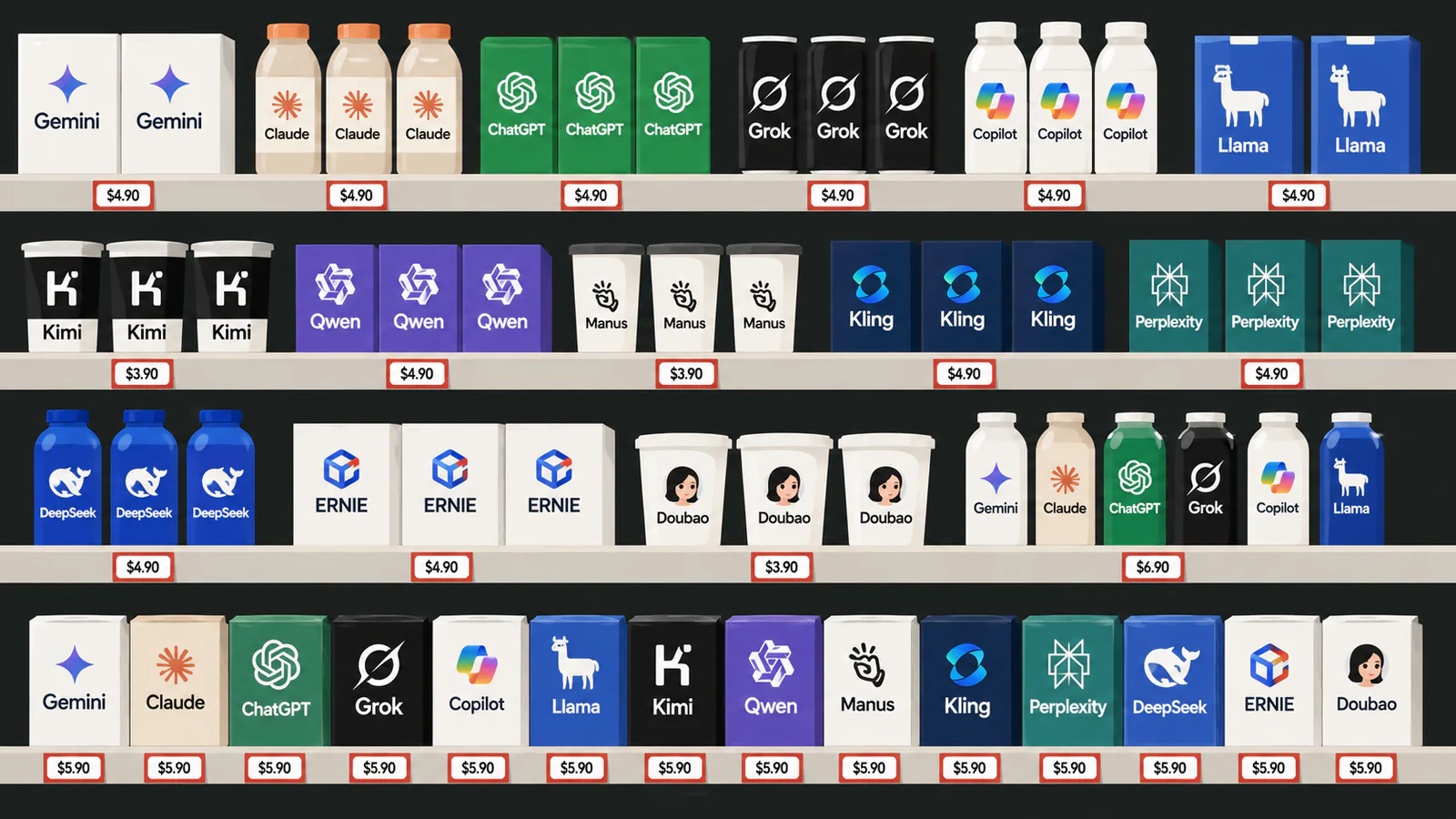
I've been learning about AI for a year and a half, and what's taught me the most wasn't any course or any specific model, it was the simple act of experimenting.
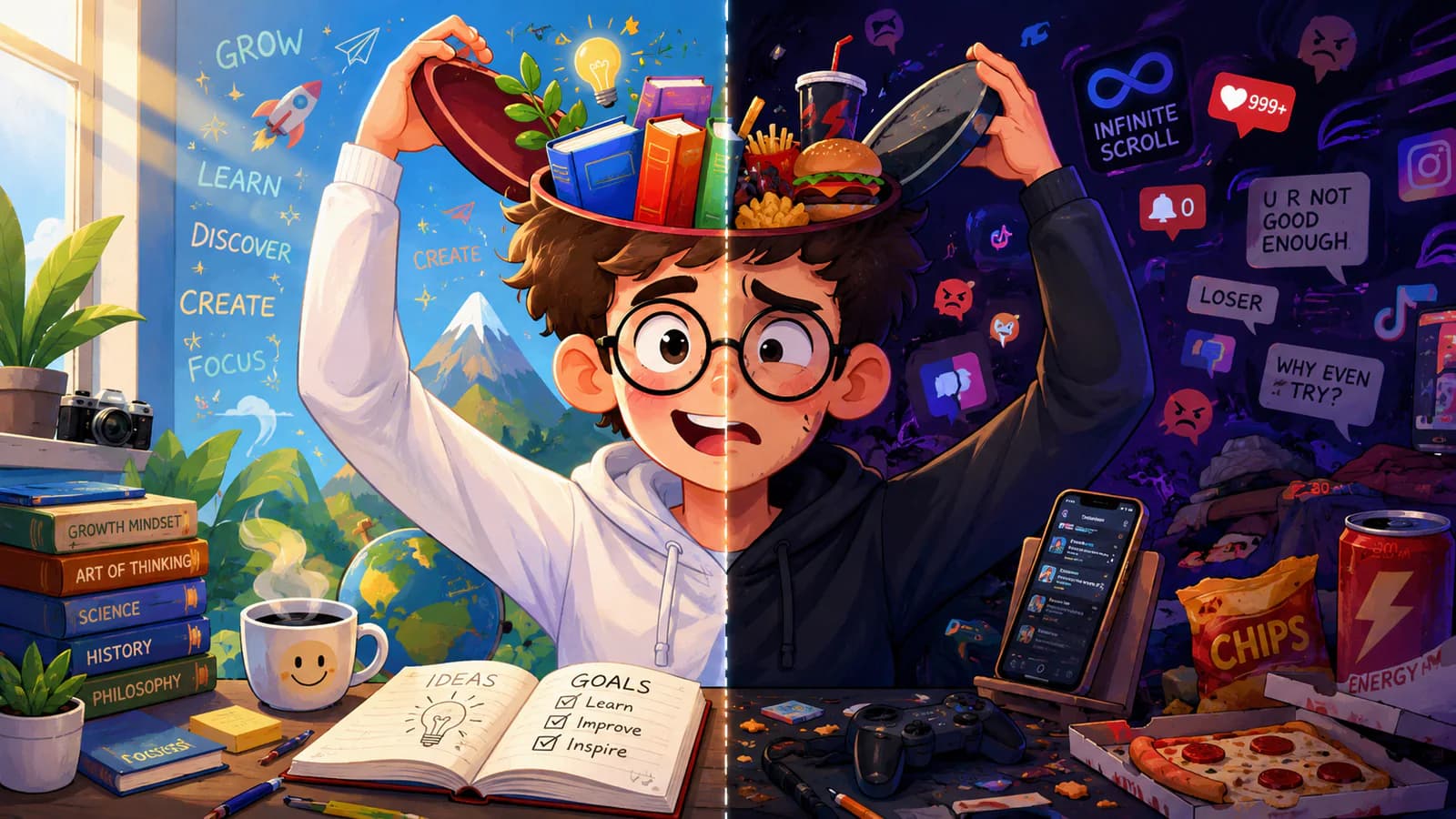
Junior roles are most exposed to AI disruption. Not being self-taught is no longer just a disadvantage: it can leave you behind in ways that simply didn't exist before.

An MIT and BCG study left me with a finding I can't shake: those who benefited most from AI were the ones who performed worst before. What does that do to everything we take for granted about talent?

How Gen Z is navigating money, work, housing and artificial intelligence in a world where stability feels harder to achieve.

What Gen Z really looks for at work: their traits, the warning signs, and the conditions more and more young people are demanding.

Reflections on AI, business and human judgment after an AI event. How to use AI with purpose, avoid the hype and understand its real impact.
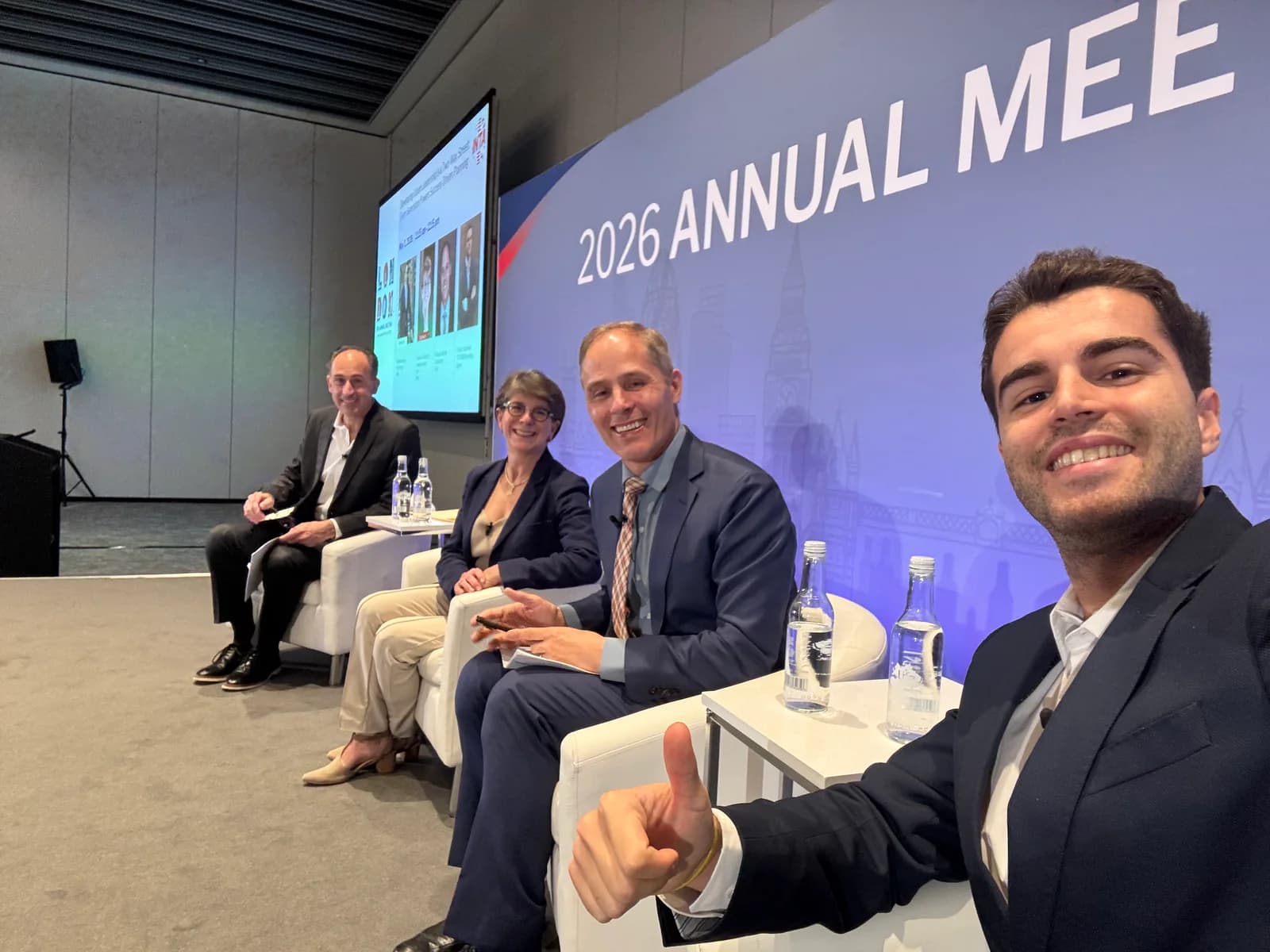
Felipe Stalman will participate in the INTA Annual Meeting in London in a talk about intergenerational leadership, Gen X, Gen Y and Gen Z, artificial intelligence and the future of work.
Get notified when I publish something new on the blog or in resources. No spam, only when there's something worth it.
You'll get an email to confirm. You can unsubscribe whenever you want.
We use Google Analytics to understand how this site is used. It only runs if you accept. Learn more