
16 min read
Educating When Everything Feels Lost
A reflection on attention, effort, learning and resilience in a world where technology removes friction but cannot learn on our behalf.
Ideas on AI, Gen Z and the future of work.
A reflection on attention, effort, learning and resilience in a world where technology removes friction but cannot learn on our behalf.
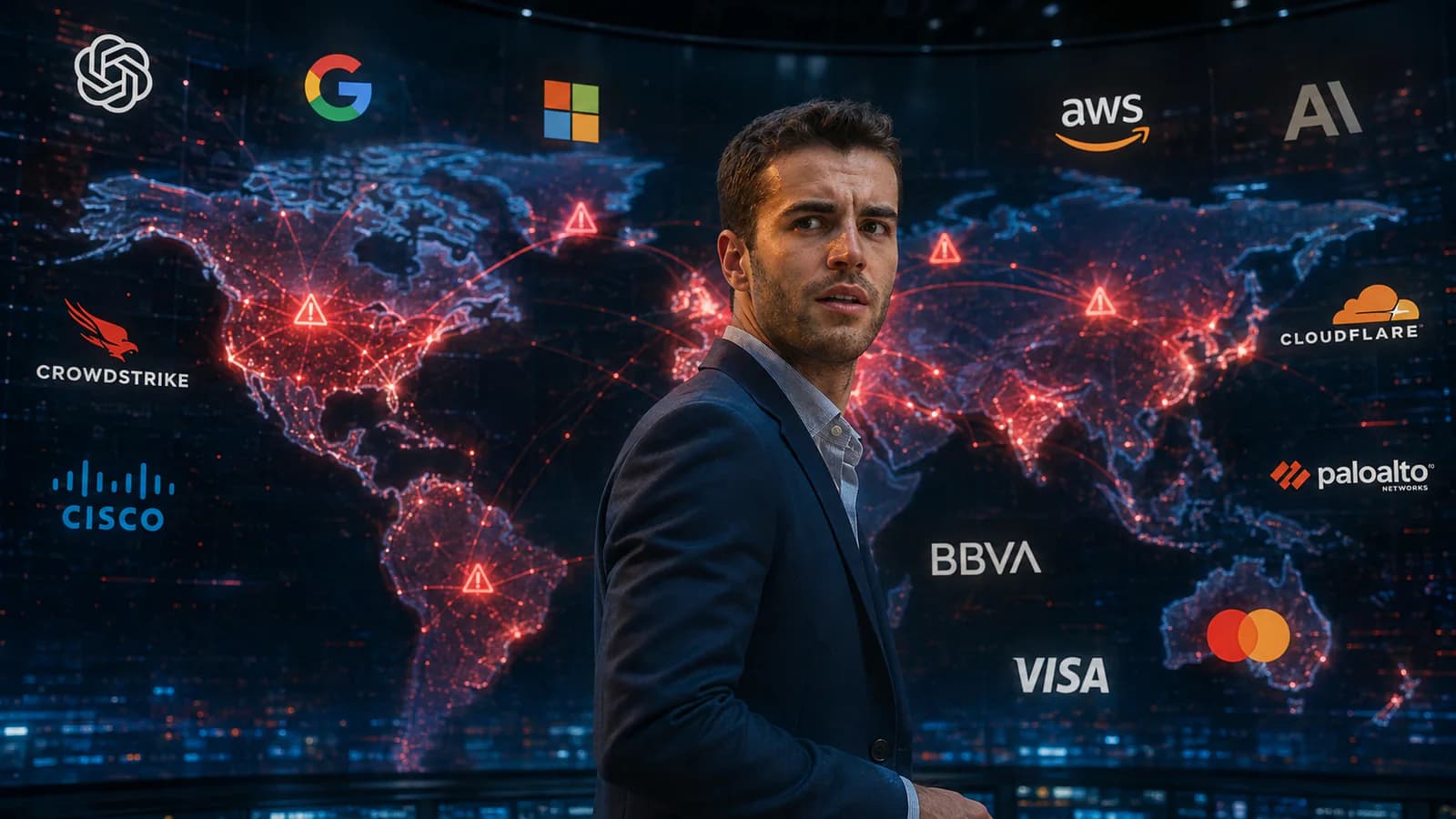
More than 100 organizations that compete with each other signed the same warning about AI-enabled cyberattacks. What it says, why now, and what it means for your company.

There is no shortage of AI courses and guides, but they expire fast. Why being self-taught went from unusual to essential, and what five months at the gym taught me.

Google may be confusing your brand with another company without you knowing. How to check it in ten minutes and what to fix, with a real case and its numbers.

AI already matches most of what we call intelligence. Why I think wisdom, the kind born from mistakes, context, and boredom, is going to stay human.

From needing technical know-how to a clear goal being enough for AI to make it real. Alignment, the newest models, and the leadership shake-up at DeepMind.

Six years, six jobs, five companies. Why Generation Z job-hops more, puts mental health first, and thinks differently about work.
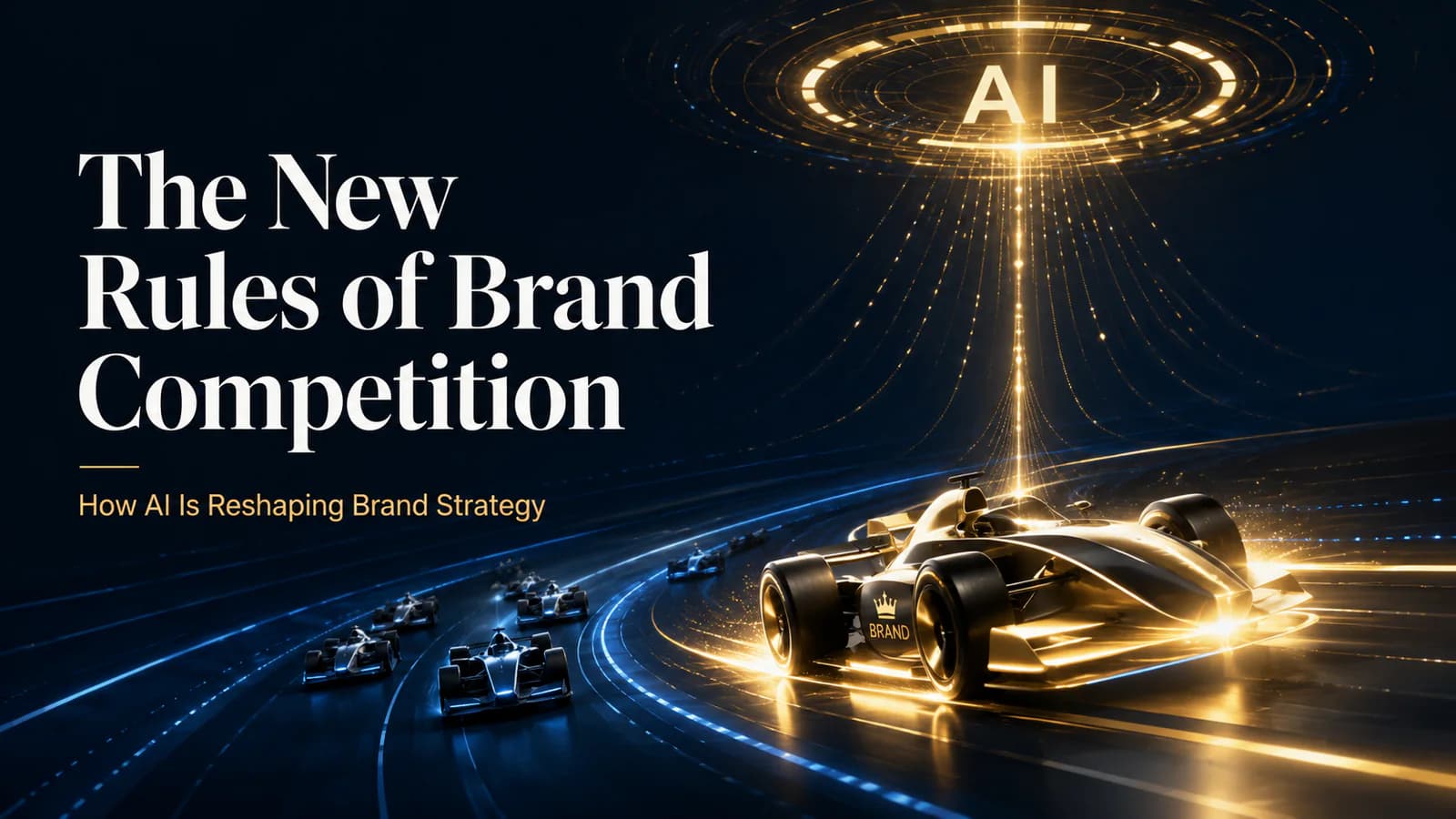
AI already acts as the intermediary between discovering and recommending brands, backed by real data from Amazon, OpenAI and Google. What it means for brand strategy, and what business leaders should do about it now.

For decades, being an engineer was almost a shortcut to power and wealth. I think AI is erasing that edge, and I built my own app in a week to test it.

What personal brand actually means, from years of being asked if I am related to Andy Stalman: not about résumés, but coherence and real trust.
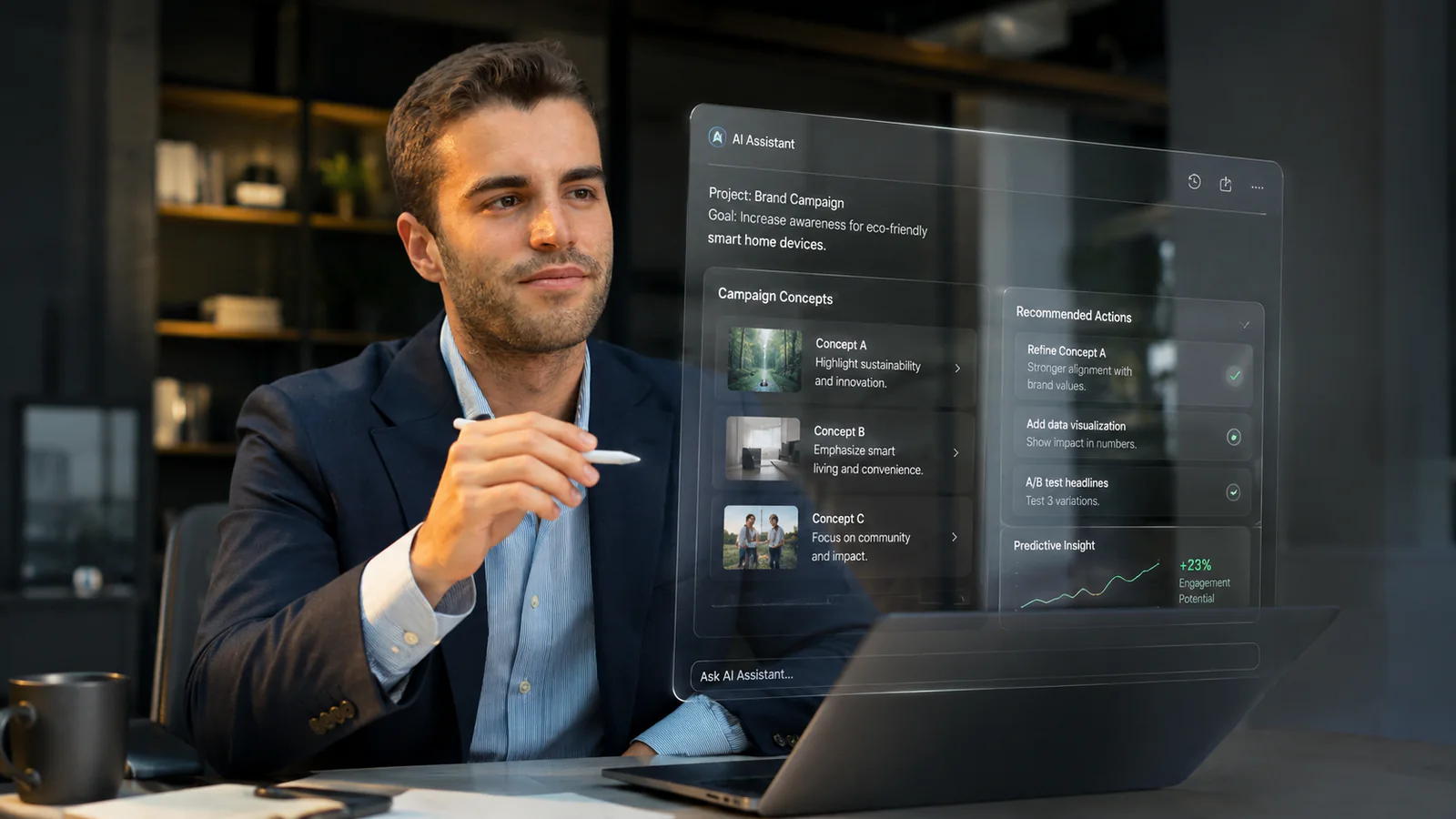
Why the fear that AI will replace jobs is hiding some good news, and how I'm using it to learn by doing instead of waiting years.

For the first time, a government is restricting access to an AI before it reaches the public. Thoughts on what that means, with the real case of GPT-5.6 and Claude Mythos 5.
Get notified when I publish something new on the blog or in resources. No spam, only when there's something worth it.
You'll get an email to confirm. You can unsubscribe whenever you want.
We use Google Analytics to understand how this site is used. It only runs if you accept. Learn more